Art as an investment strategy
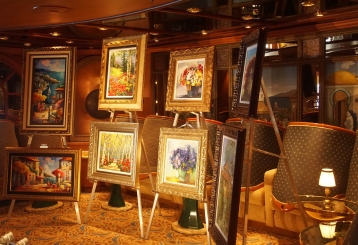
The global art market, while having limitations and a smaller size compared to other investment types, offers a range of unique opportunities with high profitability potential, and remains largely unexplored by most investors. Over the years, art investment has become more than a way to own works of cultural aesthetic prestige; it has also transformed into a means of diversifying portfolio risks and seeking significant returns.
The buying and selling of artworks gained popularity especially after the end of World War II – according to the article “Art Investment: An Empirical Inquiry”. In November 1987, Van Gogh's painting “Irises” was sold by New York auction house Sotheby's for 53.9 million dollars. Just 40 years prior, the same work had been purchased for 84 thousand dollars, indicating a real return rate of approximately 12% per year – a significantly higher rate compared to similar risk assets in the market at the time. According to a 2008 publication by The Wall Street Journal, “A new generation of collectors, dealers and financiers have come to treat art as a highly sophisticated financial instrument: tradable, globally recognizable in demand and liquid around the world.”
The appeal of the art investment market lies, in part, in its ability to offer returns uncorrelated with traditional financial markets. As alternative assets, artistic and cultural investments via structured funds and other vehicles are incorporated into various portfolios to enhance diversification. During periods of increased economic volatility, for example, major artworks often retain their value or even appreciate, acting as safe-haven assets for investors. Art, due to its nature as a tangible asset with intrinsic value, can protect against inflation and other forms of economic degradation.
Furthermore, the global art market encompasses a variety of styles, periods, and geographies, allowing investors to distribute their risks across different segments. According to the paper “Evaluating Art as an Alternative Investment Asset,” the proven low correlation of art assets with the stock market and their risk and return rates increase the attractiveness of these investments, although variables such as the buying and selling “timing” and the holding period of the artwork directly affect the return generation capacity of art investments.
Art as an asset also offers additional intangible benefits, including the aesthetic pleasure and cultural status that accompany the ownership of renowned artworks. In a survey conducted by the report “The Survey of Global Collecting 2023” on high-net-worth collectors, wealth allocation to art collections varied among respondents, but 72% of the 2,828 individuals indicated that they allocated more than 10% of their wealth to art. The reason for this allocation was also mapped by the study, indicating that although the primary motivation for purchasing artworks is personal pleasure/focus, 28% of respondents cite financial investment and its returns as their main driver, as indicated by the chart below:
Source: The Survey of Global Collecting 2023. Art Basel & UBS Report, 105.
However, even those who invest in the art market primarily for non-financial reasons are concerned about the cost of acquiring works and the potential for appreciation, resale, or the valuation of their collection's inheritance. With the rise in inflation and interest rates in 2023, how such macroeconomic developments in the global market affect price levels in the artistic and cultural sphere becomes a central concern for these individuals. In his publication “Art Investing in Times of Inflation,” Christophe Spaenjers analyzes the historical correlations between inflation and returns across different real asset classes. The results suggested that artworks are a better way to preserve purchasing power than financial instruments like bonds, for which cash flows are fixed in nominal terms.
At the same time, art offers, on average, less protection against inflation than some other categories of collectible products. Diamonds and stamps, in particular, are easier to acquire and store, and are also more replaceable than artworks, making them closer to an asset class like gold than art. However, this also implies that they can experience significant drops in value with the eventual decrease in inflationary pressure. Furthermore, the price patterns of all collectible categories exhibit high levels of volatility — just like gold — reducing their appeal as hedging and coverage methods. Nevertheless, art-secured loans are popular, with 46% of survey respondents having experience using art as collateral, and 18% claiming to use this strategy to meet liquidity needs, not just to finance new acquisitions.
The constant variation in the financial performance of art collections relative to common market movements also constitutes a particular characteristic of art investments. The text “Art Investing in Times of Inflation” expands its study to this discussion and highlights several reasons for these fluctuations. Firstly, there is transaction-specific price risk, unpredictably influenced by art market liquidity and potential buyers' valuations at the time of the transaction. This contributes to heterogeneity in valuations and auction results. Furthermore, returns on artworks exhibit significant “asymmetry,” with many works showing moderate appreciation and returns, while a very small fraction achieves extremely high returns, similar to the venture capital market. Concentration is another striking feature of art collections, where a small percentage of works can represent the majority of the collection's total value, amplifying the importance of investment-specific risk factors. Finally, there are systematic differences among the criteria considered by art buyers in terms of the investment returns they realize – i.e., the works they sell – influenced by varied tastes, artistic knowledge, access to information, and investment objectives. Therefore, art price indices do not accurately capture the investment experience of most buyers, due to portfolio concentration and specific return elements of works and artists, in addition to the lottery-like nature of art investment, which distinguishes market returns from the experience of the average art investor.
However, as previously presented, participation in the cultural market and art investment is not merely a financial choice. Beyond the emotional value and attachment to artworks and their subjective and historical esteem, art investment also aids in the sociocultural enrichment of regions, increasing the appreciation of different cultures and regional artists. Artistic organizations involved in the process of art production and dissemination, in turn, contribute significantly to the preservation of a country's cultural heritage, also assisting in the expansion of the local economy and attracting more investments to the region, promoting the growth and development of various regions.
Thus, it is evident that adding art investments to a portfolio can bring benefits such as asset diversification, protection against inflation, and the possibility of achieving significant financial returns. Furthermore, the rewards for this type of investment are not solely monetary, having the potential to generate emotional gratification and also provide greater sociocultural enrichment as a whole. However, careful consideration and study are necessary before making an artistic investment, as the art market can be volatile and the valuation of a work has a significant degree of subjectivity, which can increase the risk of these investments.
References:
Mamarbachi, Raya et al. Evaluating art as an alternative investment asset. Journal of financial transformation 24 (2008): 63-71.
Frey, B., & Pommerehne, W. (1989). Art Investment: An Empirical Inquiry. Southern Economic Journal, 56, 396.
McAndrew, C. (2023). The Survey of Global Collecting 2023. Art Basel & UBS Report
Chambers, D., Dimson, E., and Spaenjers, C. (2020). Art as an asset: Evidence from Keynes the collector. Review of Asset Pricing Studies 10, 490-520.
Spaenjers, C. (2023). Art investing in times of inflation. Art Basel.

.jpg)